
What an ICWA Claim Means for Injured Road Users
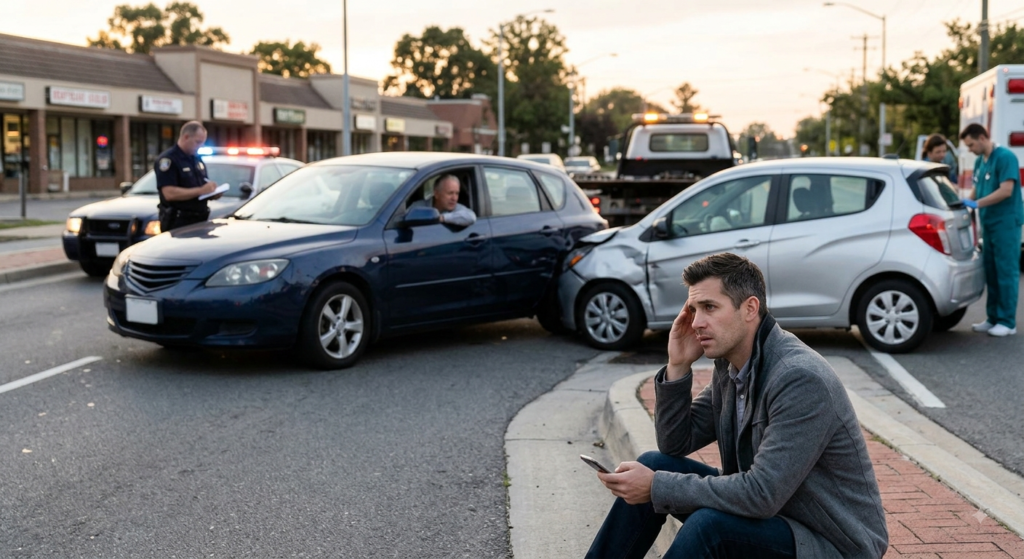
A road traffic accident can change your life in an instant, leaving you with physical injuries, emotional stress, financial pressure, and uncertainty about what comes next. In Western Australia, people injured in motor vehicle accidents may be entitled to seek compensation through the Insurance Commission of Western Australia, commonly referred to as ICWA. Understanding how the claims process works is an important first step towards protecting your legal rights and securing the support you need during recovery. While every accident is different, the legal framework is designed to help eligible people recover compensation for losses resulting from another party’s negligence. Knowing what evidence is required, what deadlines apply, and how compensation is assessed can make a significant difference to the outcome of a claim. At MPK Lawyers, we work closely with injured clients to help them understand the process and make informed decisions from the very beginning.
Who Can Make an ICWA Claim?
Eligibility for an ICWA claim depends on several legal factors, including how the accident occurred and who was responsible for causing it. Drivers, passengers, pedestrians, cyclists, and motorcyclists may all have the right to pursue compensation if another road user was negligent. In some circumstances, more than one party may share responsibility for an accident, which means liability can be divided between multiple people. Even where liability appears straightforward, the legal assessment often involves reviewing police reports, witness statements, vehicle damage, photographs, and medical evidence. Each claim is assessed according to its own facts rather than following a standard formula. Obtaining legal advice early can help clarify whether you have a valid claim and what steps should be taken to preserve important evidence.
The Importance of Reporting the Accident
One of the most important steps after any road traffic accident is ensuring that the incident is properly reported. Police attendance may be required depending on the seriousness of the collision, particularly where injuries have occurred. Accurate reporting creates an official record that may later become valuable evidence during the claims process. It is also important to exchange details with other drivers involved, seek medical attention promptly, and keep copies of any documents relating to treatment or repairs. Delaying medical treatment can sometimes create difficulties when linking injuries directly to the accident. Early documentation helps establish a clear timeline that supports both medical recovery and the legal aspects of an ICWA claim.
Medical Evidence Plays a Critical Role
Medical evidence is one of the most influential components of any compensation claim following a road traffic accident. Doctors’ reports, specialist assessments, diagnostic imaging, physiotherapy records, and rehabilitation notes all help demonstrate the nature and extent of an injury. Some injuries become apparent immediately, while others develop gradually over several weeks or months after the accident. Ongoing medical treatment not only supports recovery but also creates a detailed record of symptoms, limitations, and progress. Independent medical examinations may also be requested during the claims process to assess long term impacts. Comprehensive medical documentation provides a stronger foundation when compensation is being evaluated.
Understanding Fault and Liability
Many people believe liability is always obvious after a road accident, but legal responsibility is often more complex than it first appears. Determining fault involves examining driver behaviour, road conditions, vehicle movements, traffic laws, witness accounts, and available physical evidence. In some cases, both drivers may have contributed to the collision, resulting in shared liability. Australian negligence law allows compensation to be adjusted where contributory negligence applies. This does not necessarily prevent an injured person from receiving compensation, but it may affect the amount ultimately awarded. Careful legal analysis is essential to ensure responsibility is assessed fairly according to the available evidence.
Types of Compensation Available
Compensation following a successful ICWA claim is intended to address the financial and personal consequences of an accident rather than simply compensate for the accident itself. Depending on the circumstances, damages may include medical expenses, future treatment costs, rehabilitation, loss of income, reduced earning capacity, and pain and suffering where permitted under the law. Future care requirements may also be considered if permanent injuries affect everyday activities or employment opportunities. Every person’s losses are unique, meaning compensation calculations differ significantly from one case to another. The assessment involves detailed financial and medical evidence supported by expert opinions where appropriate. A carefully prepared claim helps ensure all relevant losses are properly considered.
Time Limits Should Never Be Ignored
Strict legal time limits apply to compensation claims arising from road traffic accidents in Western Australia. Missing an important deadline may affect your ability to recover compensation, even where liability appears clear. Because each matter can involve different limitation periods depending on individual circumstances, seeking legal advice sooner rather than later is always advisable. Early action also makes it easier to locate witnesses, preserve evidence, obtain accurate medical assessments, and gather supporting documentation. Waiting too long can result in lost evidence or fading witness memories that make proving a claim more difficult. Taking prompt action places you in a stronger position throughout the entire claims process.
Common Challenges During the Claims Process
Although many people expect the claims process to be straightforward, various issues can arise along the way. Disputes may develop regarding liability, the seriousness of injuries, future medical needs, or the financial impact of the accident. Insurance assessors and medical experts may hold differing opinions about the extent of an injury or the expected recovery period. Some injuries, particularly those involving chronic pain or psychological trauma, can be more difficult to evaluate than visible physical injuries. Detailed evidence and experienced legal representation often become important when disagreements arise. Understanding these potential challenges helps claimants prepare for the process with realistic expectations.
Why Early Legal Advice Can Make a Difference
Obtaining legal advice shortly after an accident allows important steps to be taken before evidence becomes more difficult to obtain. Lawyers can assist with gathering medical records, obtaining expert reports, communicating with insurers, and ensuring legal requirements are met throughout the claim. Early involvement also reduces the likelihood of procedural mistakes that may delay or weaken a claim. Clients often feel more confident when they understand each stage of the process and know their rights are being protected. Legal guidance provides reassurance during what is often a stressful and uncertain period following a serious accident. Our team focuses on helping clients navigate each stage with practical advice tailored to their individual circumstances.
Supporting Your Recovery Beyond the Claim
Recovering after a road traffic accident involves much more than resolving a legal claim. Physical rehabilitation, emotional wellbeing, financial stability, and returning to normal daily life all play an important role in long term recovery. The compensation process should support these broader goals by helping injured people access the resources they need while recovering from their injuries. Every claim represents a person whose life has been disrupted, which is why careful preparation and personalised legal support matter. At MPK Lawyers, we recognise that every client’s circumstances are different, and we work to achieve outcomes that reflect those individual needs. Whether injuries are relatively minor or life changing, understanding the ICWA claims process provides a stronger foundation for moving forward with confidence while protecting your legal rights.