
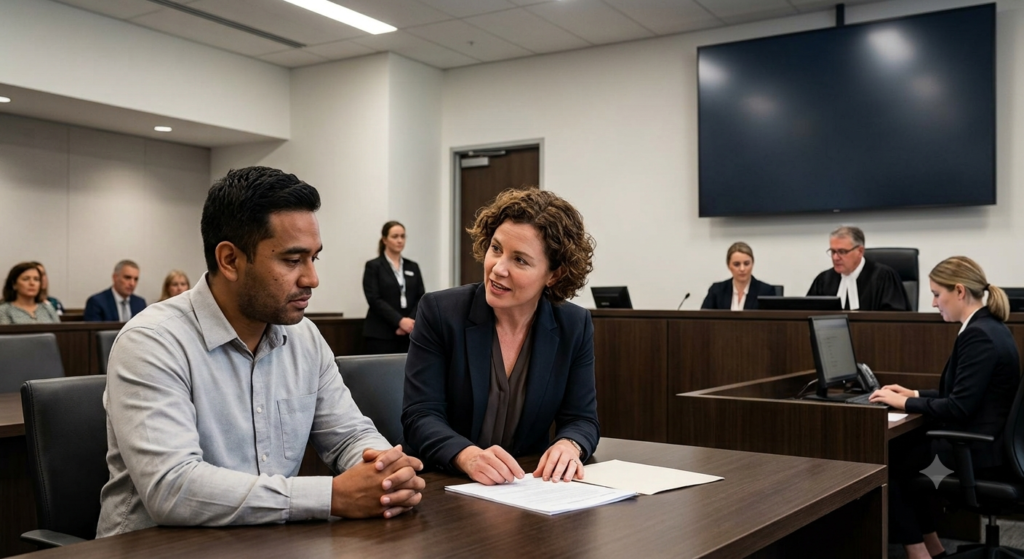
Understanding the Relationship Between Language and Legal Participation
Legal proceedings can be unfamiliar, formal and stressful even for people who speak English fluently, but the experience can become considerably more challenging when English is not a person’s strongest language. For Punjabi-speaking clients in Western Australia, language confidence can influence how comfortably they communicate with their lawyer, understand legal terminology, respond to questions and participate in important decisions about their matter. A person may understand everyday English reasonably well while still finding courtroom language, legal documents and rapid questioning difficult to follow. This distinction is particularly important because legal proceedings often involve terminology and procedures that are very different from ordinary conversation. Courts in Western Australia recognise the importance of effective communication, and interpreter services are available in appropriate circumstances to help people who cannot adequately understand or communicate in English.
Language confidence should therefore not be viewed simply as a matter of whether someone can speak English. It can involve the ability to understand questions accurately, explain events in the correct sequence, recognise the significance of particular words and express concerns without hesitation. A client who is worried about making grammatical mistakes may provide shorter answers than they otherwise would. Another client may understand a question but feel uncomfortable asking for clarification because they believe they should already understand it. These difficulties can affect the quality of communication between the client and their legal representative. At our firm, we understand that effective legal representation begins with ensuring that clients feel sufficiently comfortable to explain their circumstances and engage with the legal process. For Punjabi-speaking members of the Perth community, receiving legal assistance in a familiar language can help make communication more accessible and practical.
Why Everyday English Is Different From Legal English
Many people who communicate successfully in English in their workplace, community or social life can still experience difficulties when dealing with legal proceedings. Legal language can contain technical expressions, procedural terminology and questions that require careful interpretation. A client might understand the individual words in a question but misunderstand what the question is asking in the context of their legal matter. This can become especially challenging when proceedings involve evidence, affidavits, cross-examination, negotiations or detailed procedural directions. The Western Australian District Court explains that where a party or witness cannot adequately understand or communicate in English, an interpreter may be required to support procedural fairness and access to justice.
The difference between conversational English and legal English is particularly relevant for Punjabi-speaking clients who may have learned English after Punjabi or another language. Someone can be highly capable in English while still needing additional assistance with legal terminology. This does not indicate a lack of intelligence, education or understanding of the underlying facts. It simply reflects the specialised nature of legal communication and the consequences attached to misunderstanding particular statements. Clients should be able to ask what a legal term means and receive an explanation in language that makes sense to them. Clear communication can help clients make informed decisions rather than simply agreeing because they are uncertain about what has been explained.
How Language Confidence Can Influence Client Participation
Confidence can directly affect how actively a client participates in their legal matter. A person who feels comfortable communicating is generally more likely to explain important facts, raise concerns, ask questions and tell their lawyer when they do not understand something. In contrast, a client who lacks confidence may remain quiet even when they are confused about an important issue. They may also hesitate before correcting an apparent misunderstanding because they are concerned about appearing difficult or making a mistake. In legal proceedings, silence should not automatically be interpreted as agreement or understanding because language barriers can influence how a person responds. Creating an environment where clients can communicate openly is therefore an important part of supporting meaningful participation.
This issue can become more significant when a client is required to provide evidence or respond to questions. The District Court of Western Australia notes that consecutive interpreting is generally used when interpreting a witness’s evidence, while simultaneous whispered interpreting may be used for a party during proceedings. A client who is concerned about their English may struggle to formulate a response quickly when questions are delivered under formal courtroom conditions. They may also become anxious if they believe their accent, pronunciation or word choice will affect how they are perceived. Professional interpreting and careful preparation can help reduce these communication pressures. The objective is not to give a client an advantage, but to help ensure that language does not unnecessarily prevent them from understanding and participating in the proceedings.
The Importance of Asking Questions Before a Hearing
Preparation can significantly improve a client’s confidence before attending court. Lawyers can explain the purpose of the hearing, the likely sequence of events and the types of questions or issues that may arise. Clients should be encouraged to identify areas they do not understand rather than waiting until the hearing itself. This can include unfamiliar legal terminology, court procedures, documents they have received or the role of different people involved in the matter. Preparing these issues in advance can make the actual proceedings feel less intimidating. Western Australian government guidance also recommends contacting the relevant court well before proceedings if an interpreter is likely to be required.
For Punjabi-speaking clients, preparation can also involve discussing whether communication would be clearer with a Punjabi interpreter. Legal Aid WA states that clients who prefer another language can request an interpreter and that independent accredited interpreters are preferred when discussing legal problems. Using an interpreter is not an indication that a client cannot understand their legal matter. Instead, it can be a practical communication measure that allows the client to concentrate on the substance of the matter rather than worrying about translating complex information mentally. Clients should feel comfortable discussing their language preferences with their lawyer as early as possible. Early communication can also give the legal team more time to consider appropriate arrangements for upcoming appointments and hearings.
Language Barriers Can Affect More Than Courtroom Conversations
Language confidence can influence many parts of a legal matter outside the courtroom. Clients may need to read correspondence, understand legal advice, provide instructions, review evidence and make decisions about possible outcomes. If a person is uncertain about the meaning of written legal material, they may delay responding or avoid asking for clarification. This can create unnecessary stress and can make a legal matter feel more complicated than it already is. Clear explanations and appropriate language support can help clients understand what is expected of them at different stages. Effective communication is therefore relevant throughout the legal process rather than only during a court appearance.
Documents can present a separate challenge because legal writing often uses formal expressions that are uncommon in ordinary Punjabi or English conversations. A client may understand the general subject of a document while missing an important qualification, deadline or procedural requirement. This is why clients should have an opportunity to discuss documents with their lawyer before making significant decisions. In some Western Australian courts, interpreter arrangements and document translation arrangements are treated separately, so clients should ask their legal representative what assistance is appropriate for their particular circumstances. The Supreme Court of Western Australia states that it can arrange interpreters in criminal proceedings and assist with booking interpreters for civil proceedings, while translation of documents can involve separate arrangements. Understanding these distinctions can help clients prepare more effectively.
The Role of Professional Interpreters
A professional interpreter can help bridge the communication gap between a client and the legal system. Court interpreters are expected to interpret accurately, impartially and completely without adding, omitting or changing meaning. The Western Australian District Court also describes interpreters as officers of the Court whose paramount duties are to the Court. This professional role is important because legal communication can involve sensitive information, detailed evidence and questions where even a small change in meaning could matter. For this reason, relying on a friend or family member to interpret complex legal information may not provide the same safeguards as using an appropriate professional interpreter. Legal Aid WA similarly states that it prefers independent and accredited interpreters when discussing a client’s legal problem.
For Punjabi-speaking clients, professional interpreting can provide a more reliable way to communicate complex information while preserving the client’s ability to express themselves in the language in which they are most comfortable. It can also reduce the pressure of trying to translate legal concepts mentally while simultaneously listening to questions and deciding how to respond. Clients should tell their lawyer if they believe an interpreter would help them participate more effectively. The relevant court will have its own procedures for requesting and arranging interpreter services, so the timing and responsibility for arrangements can differ depending on the jurisdiction and type of proceeding. For example, the District Court currently advises that interpreter requests in criminal cases should generally be made no later than 28 days before a listed appearance.
Cultural Comfort Can Support Better Communication
Language and culture can sometimes overlap in ways that affect how clients communicate with professionals. Some clients may be accustomed to communicating with authority figures in a particularly respectful or reserved manner. They may hesitate to interrupt, challenge an explanation or openly say that they disagree with something. These communication habits can be misunderstood if they are considered without cultural context. A client who appears quiet may actually have extensive information that they have not yet felt comfortable sharing. Building trust and encouraging respectful two-way communication can help clients communicate more openly.
For Punjabi-speaking clients in Perth, being able to communicate with a legal team that understands the importance of language accessibility can make the legal process feel less unfamiliar. Clients should not feel embarrassed about speaking Punjabi or requesting additional explanation when legal concepts are difficult to understand. Their responsibility is to provide accurate information and instructions, while the legal team should help explain the legal issues relevant to their matter. Clear communication can make it easier for clients to identify misunderstandings before they become larger problems. It can also help clients feel more involved in decisions affecting their families, finances, rights or future.
Supporting Confidence Before Court
Client confidence can often be strengthened through structured preparation. Before a hearing, a lawyer can explain what the client should expect, identify the issues likely to arise and discuss how communication will occur. Clients can prepare by writing down important questions, identifying dates and events they want to discuss and telling their lawyer about anything they find difficult to understand. If an interpreter is needed, that requirement should be raised as early as possible. The Supreme Court of Western Australia currently states that requests for an interpreter should be made at least 14 days before a hearing in the circumstances covered by its interpreting guidelines.
Preparation should also allow clients to understand that they do not need to pretend they understand something when they do not. Asking for clarification is a sensible part of legal communication. A client should be able to tell their lawyer that a particular expression is confusing or that they would prefer an explanation in Punjabi. They should also understand that an interpreter is there to facilitate communication rather than answer questions on their behalf. By establishing these expectations before the hearing, clients may feel more prepared to participate when the matter reaches court. This preparation can be particularly valuable when the proceedings involve stressful circumstances or highly personal information.
How Lawyers Can Encourage Meaningful Participation
Lawyers can play an important role in reducing the effects of language-related anxiety. Using plain explanations, checking whether the client has understood important advice and allowing reasonable time for questions can make communication more effective. Lawyers can also identify when a client appears uncertain and invite them to explain what they understand rather than assuming that silence means comprehension. Where necessary, an interpreter can provide additional support. These practices can help create a stronger communication framework around the client’s legal matter. The aim is to ensure that the client’s instructions and concerns are properly understood while the client has a realistic understanding of the legal process.
We believe clients should be encouraged to communicate openly about language preferences from the beginning of their legal matter. A Punjabi-speaking client should not feel that requesting Punjabi communication means they are somehow less capable of dealing with their legal issue. Language support can instead help them focus on the substance of the matter and communicate their instructions with greater confidence. Our approach is to explain legal issues as clearly as possible and encourage clients to ask questions when something is uncertain. This can be particularly important where decisions need to be made under time pressure. Strong lawyer-client communication can provide a more constructive foundation for navigating legal proceedings.
Confidence Does Not Mean Speaking Perfect English
It is important to distinguish language confidence from English proficiency. A client does not need to speak perfect English to understand their legal rights or participate meaningfully in a legal matter. Similarly, having conversational English does not necessarily mean that a person can comfortably understand every legal question or procedural direction. The relevant consideration is whether the client can understand and communicate sufficiently for the circumstances of their matter. Courts in Western Australia have specific interpreter procedures designed to assist people who cannot adequately communicate in English.
Clients should therefore consider communication needs based on the actual legal situation rather than how well they manage English in everyday life. A person may communicate confidently at work but become uncertain when discussing evidence, legal rights or court procedures. Another person may understand written English but struggle to follow rapid spoken questions. These differences are normal and should be discussed openly with the legal team. Recognising communication needs early can help reduce unnecessary uncertainty later in the proceedings. Most importantly, clients should never feel that they have to remain silent simply because English is not their first language.
Helping Punjabi-Speaking Clients Navigate Legal Proceedings
For Punjabi-speaking clients in Perth, access to understandable legal communication can be an important part of engaging with the justice system. Legal proceedings can involve significant personal consequences, making it essential for clients to understand the advice they receive and communicate their instructions accurately. Language confidence can affect how readily a person asks questions, explains important facts and responds during a hearing. Professional interpreters, careful preparation and clear explanations can help address these challenges when appropriate. Western Australian courts and legal assistance services recognise the importance of language access and provide mechanisms for obtaining interpreter assistance in relevant circumstances.
At MPK Lawyers, we understand that effective legal representation involves more than explaining the law. It also involves creating a communication environment in which clients can confidently discuss their circumstances, understand their options and provide informed instructions. For members of the Punjabi-speaking community in Perth, being able to communicate comfortably can make the legal process easier to understand and participate in. If you are concerned that language confidence may affect your ability to communicate during legal proceedings, discussing this with your lawyer at the earliest opportunity can help identify appropriate support. MPK Lawyers can assist clients in understanding the communication considerations relevant to their legal matter and help them prepare for the legal process.
Taking the First Step Toward Clearer Legal Communication
Language should not become an unnecessary obstacle to understanding a legal matter. If you are more comfortable communicating in Punjabi, telling your lawyer early can help the legal team consider how communication can be handled throughout your matter. You can also ask questions whenever legal terminology or procedural information is unclear. Where an interpreter is appropriate, arrangements should be considered well before the relevant hearing because court procedures and timeframes can vary. The Western Australian Government specifically recommends contacting the court well before proceedings if an interpreter may be required.
Every legal matter has its own circumstances, and the appropriate communication arrangements will depend on the type of proceeding and the client’s individual needs. What matters is that clients have a reasonable opportunity to understand what is happening and communicate information relevant to their case. Confidence can grow when clients know what to expect, understand the terminology being used and feel comfortable asking questions. For Punjabi-speaking individuals and families in Perth, accessing legal assistance in a language they understand can be an important part of engaging with the legal process. MPK Lawyers is committed to helping clients approach their legal matters with clear communication, careful preparation and a better understanding of the process.