
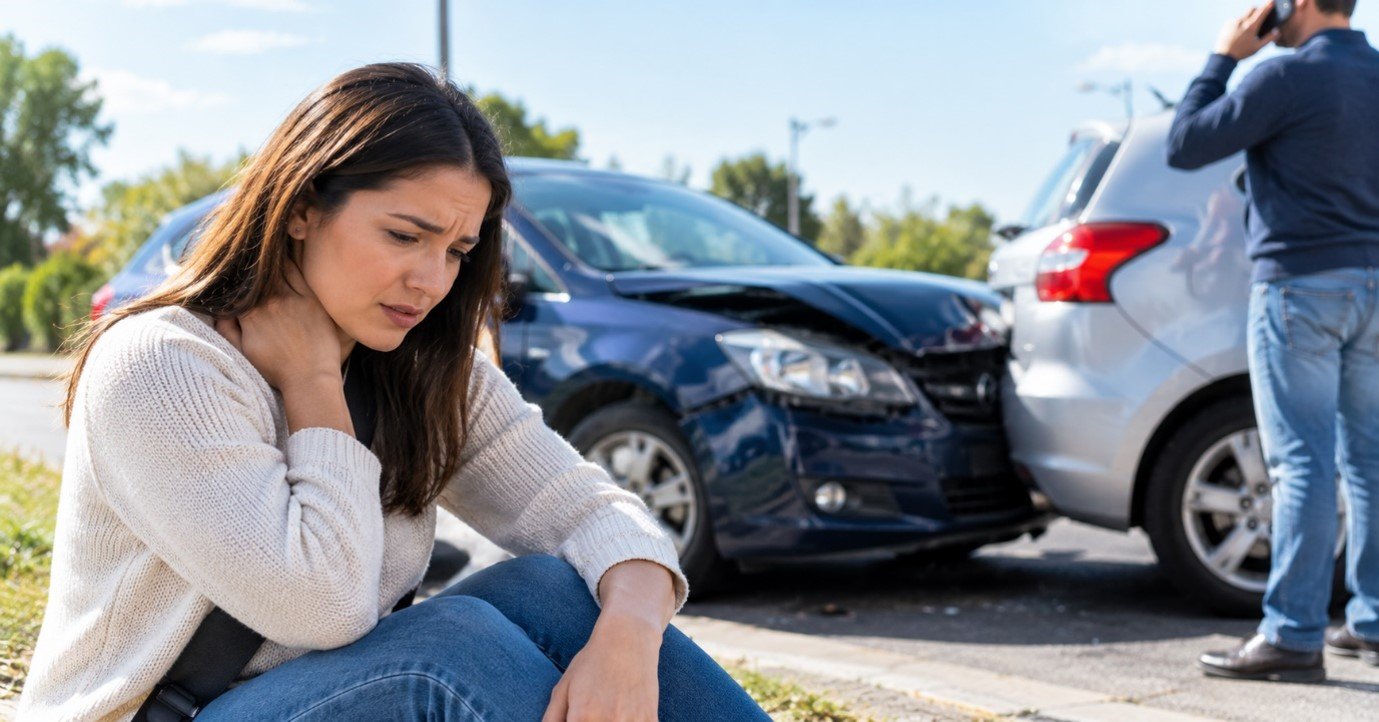
Yes, passengers injured in a car accident in WA can generally file a claim. Passenger injured car accident compensation WA is paid by the Insurance Commission of WA (ICWA), regardless of whether the friend or family member was at fault in the accident.
A simple ride with your friends or family members can turn into an incident when an accident occurs, and getting injured in a vehicle that was not even driven by you can be unjust. Many passengers hesitate to claim because the driver is someone they know, or because they are unsure whether the law allows it. The law is usually on your side, and understanding passenger injury compensation WA rules early helps you act with confidence. This article explains who you claim against, how fault is decided, what can reduce your payout, what compensation covers, and the steps to take.
Key Takeaways
- A passenger can claim if someone else’s negligence caused the accident.
- ICWA pays the claim, not your friend or relative personally.
- The payout can be reduced, for example, if you did not wear a seatbelt.
- Court proceedings generally must start within three years.
Who Can You Claim Against as an Injured Passenger?
Your claim depends on who caused the accident, and the answer is not always the driver of your car. Identifying the right policy early helps avoid delays, so the sections below cover the common situations and how each works.
When the Driver of Your Car Was at Fault
A passenger only needs one driver to be negligent for a claim to succeed. If your friend or relative caused the accident, the claim is made under their compulsory third party insurance, which ICWA manages. An ICWA passenger claim follows the same process as any other injury claim and ICWA pays on the driver’s behalf, so the money does not come from their own pocket.
When Another Driver Was at Fault
If a different vehicle caused the collision, your claim is made against that driver’s insurance. If both drivers share blame, you may be able to claim against either. This is a common passenger motor vehicle accident claim, and you do not need to work out who is responsible before you seek advice.
Rideshare, Taxi and Bus Passengers
Passengers injured in rideshare vehicles, taxis, buses or rental cars can usually claim through the same scheme. Keep trip receipts, booking details and the vehicle registration, as they help identify the right policy.
Uninsured or Unidentified Vehicles
If the at-fault vehicle was uninsured or the driver cannot be identified, ICWA can still deal with the claim, so do not assume you have no options.
How Fault Affects Passenger Injured Car Accident Compensation WA
Passengers are rarely blamed for the accident itself, but they can share responsibility for their own injuries. This is called contributory negligence. It reduces your payout by a percentage rather than ending the claim.
Common examples include:
- not wearing a seatbelt
- travelling with a driver you knew was drunk or impaired
- being intoxicated yourself, where it contributed to your injuries
If you are found 20 percent responsible, your compensation is reduced by 20 percent. Being partly at fault does not automatically defeat a claim.
Courts look at what you knew at the time, so a passenger who had no reason to suspect the driver was impaired is treated differently from one who did.
What Compensation Can Cover
Each motor vehicle accident claim WA is valued on your own injuries and losses, so two passengers in the same car can receive different outcomes. Compensation may include:
- loss of amenities, which is the effect on your enjoyment of life
- past and future lost earnings, including superannuation
- medical, rehabilitation and travel costs
- care provided by family or friends
Psychological injuries, such as anxiety after a frightening accident, can form part of a claim when medical evidence supports them, so mention emotional symptoms to your doctor as well as physical ones.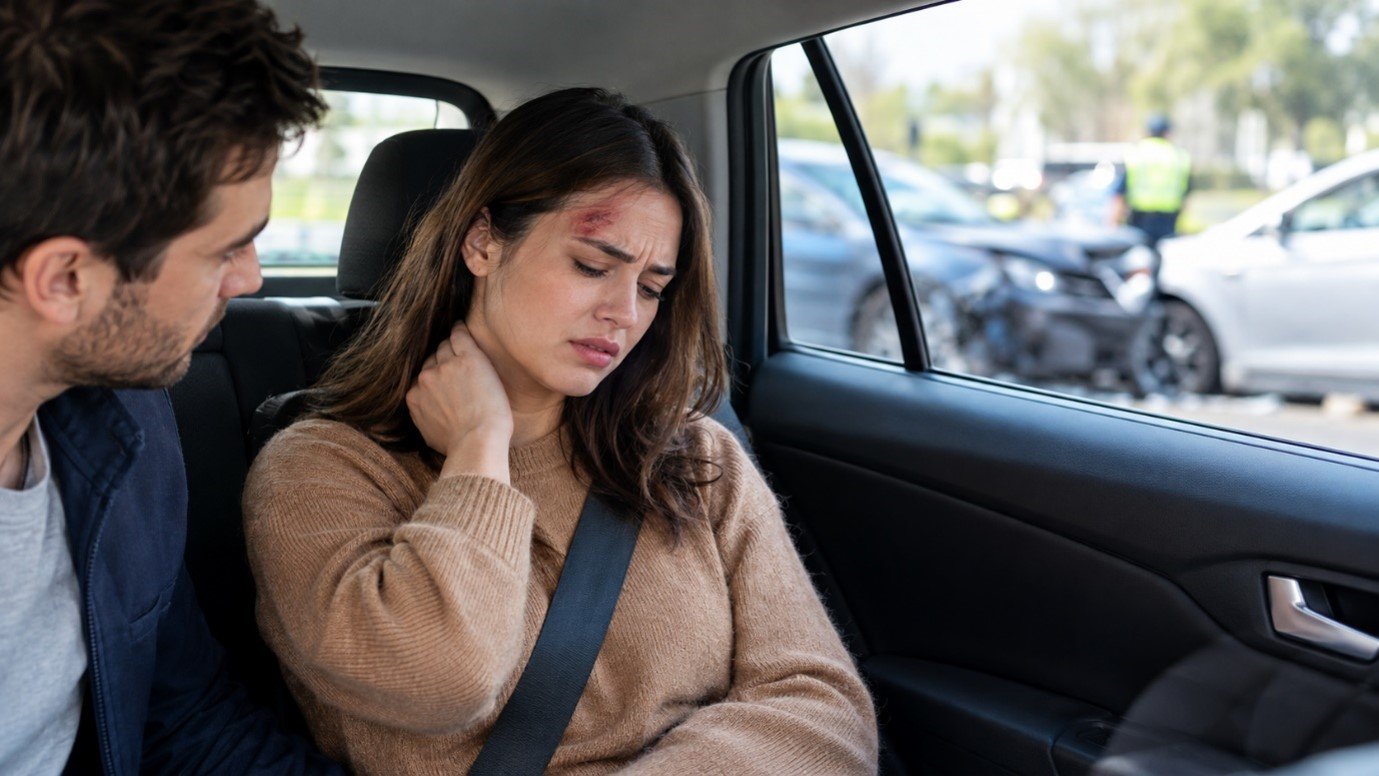
What Evidence Strengthens a Passenger Claim?
Because you were not driving, your evidence is mostly about what happened and how it has affected you. Useful items include:
- photos of the scene, the vehicles and your injuries
- names and contact details for the drivers and any witnesses
- medical records and a diary of your symptoms
- booking records or messages showing you were a passenger
Gather this material while events are fresh, because memories fade and records can be lost. Even small details, such as weather and road conditions, can also help support your account.
What Should You Do After the Accident?
What you do in the first few days and weeks can shape how smoothly your claim proceeds. The steps below follow the order in which most passengers need to act.
Straight After the Accident
Get medical attention, even if your injuries seem minor. Collect names, registration numbers and photos, and report the accident to WA Police.
In the Following Weeks
Keep your medical records, receipts and payslips. Lodge a Notice of Intention to Make Claim with ICWA as soon as practicable.
Before You Accept Any Offer
Get advice from a car accident compensation lawyer in Perth before accepting an offer, because settling early can leave later symptoms uncovered.
Conclusion
Being a passenger does not stop you from claiming. Passenger injured car accident compensation WA claims depend on who was negligent, how your injuries affect you and the evidence you keep. Whether the driver was a stranger, a friend or a family member, the claim runs through a compulsory scheme, so there is no reason to feel guilty about seeking the help available to you.
If you are unsure where you stand, MPK Lawyers can review your circumstances and explain your options. Acting early, keeping good records and asking questions give you the best chance of a fair outcome, and a short conversation can quickly clarify which path suits your situation.
FAQs
Can I claim if my friend was driving?
Yes. ICWA pays on behalf of the driver’s compulsory third party insurance, so the claim is not made against your friend personally and does not come from their savings.
Can I claim if I was not wearing a seatbelt?
Yes, but your compensation may be reduced by the share of responsibility assigned to you. It does not automatically end the claim.
What if both drivers were at fault?
You may be able to claim against either driver’s insurance, because only one driver needs to be negligent. A lawyer can identify which policies apply to you.
How much compensation can a passenger receive?
There is no set amount. Compensation depends on your injuries, lost earnings, treatment costs and any reduction for shared responsibility, so each claim is assessed on its own facts.
Do I need a lawyer to claim as a passenger?
You can lodge a claim yourself, but legal advice helps with disputed fault, serious injuries or settlement offers. A lawyer can check whether an offer reflects your losses.
Take the First Step Toward Your Claim
Being injured as a passenger is stressful enough. Contact our team to talk through what happened, and we will outline your rights, likely options and what to do next.